Understanding Infertility and the First Steps
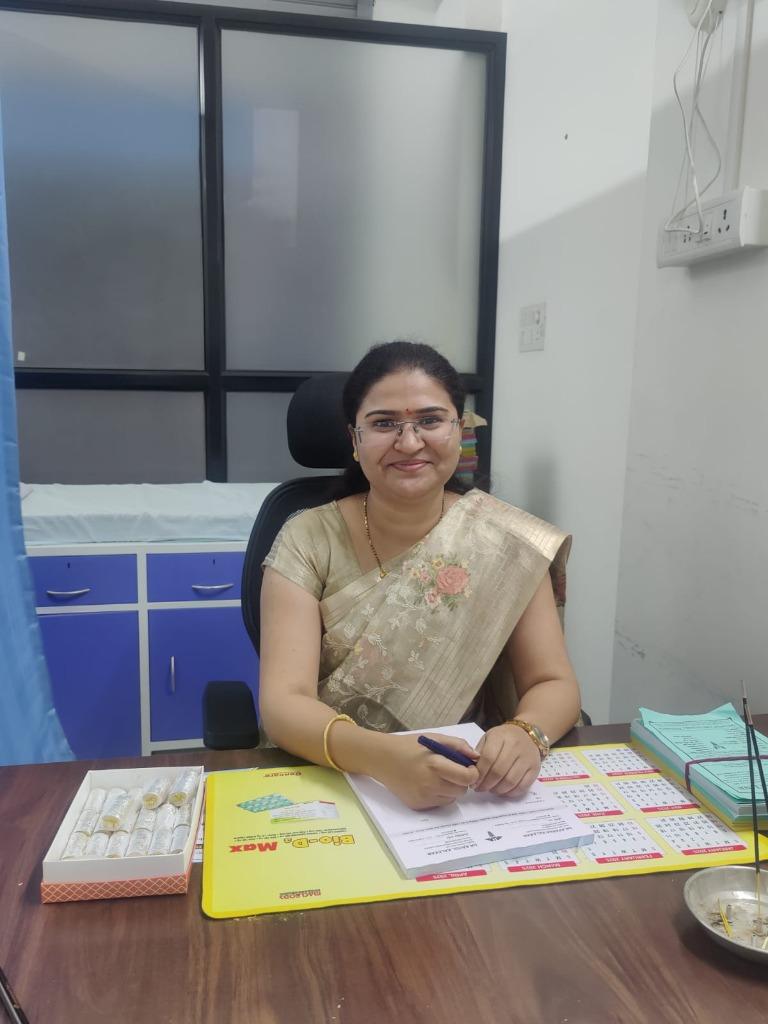
Struggling to conceive can be an emotionally exhausting experience for couples. Infertility is defined as the inability to conceive after 12 months of regular, unprotected intercourse (or 6 months for women over 35). It is a common medical condition, affecting approximately 1 in 6 couples. The most important first step is to seek a professional evaluation without delay. At Star Ortho & Women Care, Dr. Aparna Kalekar provides a structured, empathetic, and evidence-based approach to diagnosing the underlying causes of infertility in both partners, prioritizing transparent communication and emotional support.
Comprehensive Fertility Evaluation
Successful treatment begins with accurate diagnosis. Because infertility can stem from male factors (30%), female factors (30%), a combination of both, or be unexplained, both partners must be evaluated. The female evaluation typically includes assessing ovarian reserve (AMH blood test), checking hormone levels (FSH, LH, Prolactin, Thyroid), a transvaginal ultrasound to examine the uterus and ovaries, and an HSG (Hysterosalpingogram) to confirm that the fallopian tubes are open. The male evaluation begins with a comprehensive semen analysis to assess sperm count, motility, and morphology. We coordinate these investigations efficiently to formulate a clear diagnosis.
First-Line Treatments: Ovulation Induction & IUI
Not every couple requires IVF. In many cases, less invasive and more cost-effective treatments are highly successful. For women who are not ovulating regularly (often due to PCOS), we use Ovulation Induction medications (such as Letrozole or Clomiphene) combined with ultrasound follicular monitoring to track egg development and time intercourse optimally. If indicated, we may recommend Intrauterine Insemination (IUI), a procedure where 'washed' and concentrated sperm is introduced directly into the uterus during ovulation. These foundational treatments are managed closely at our clinic.
IVF Consultation and Advanced Guidance
When foundational treatments are unsuccessful, or if there are specific indications (such as blocked fallopian tubes, severe male factor infertility, or advanced maternal age), In Vitro Fertilization (IVF) may be the recommended path. During an IVF consultation, Dr. Kalekar provides a detailed, unbiased explanation of the IVF process — from ovarian stimulation and egg retrieval to embryo transfer. We help you understand the realistic success rates, the timeline, the physical demands of the treatment, and how to mentally prepare for the journey, ensuring you are fully informed before taking this significant step.
A Holistic Approach to Fertility
Fertility is heavily influenced by overall health. Alongside medical treatments, we emphasize a holistic approach. Dr. Kalekar provides extensive counseling on lifestyle modifications that can significantly improve conception chances. This includes achieving an optimal BMI through diet and exercise, managing stress, quitting smoking, and optimizing nutritional intake (including starting prenatal vitamins and folic acid). Whether you are just beginning to investigate why you haven't conceived or are preparing for advanced fertility treatments, our clinic provides the foundational care and compassionate guidance you need.
Frequently Asked Questions
Common queries about fertility evaluation.
- When to consult? After 1 year of trying (or 6 months if over 35), or if you have known issues like irregular periods.
- Is IVF the only option? No. Many couples conceive with lifestyle changes, ovulation medication, or IUI.
- What tests are needed? Blood tests (hormones, AMH), pelvic ultrasound, tubal patency test (HSG) for women; semen analysis for men.
- How does PCOS affect it? It causes irregular ovulation, but is highly treatable with medication and lifestyle changes.
- What is IUI? Placing concentrated sperm directly into the uterus during ovulation; a simpler step before IVF.