What is PCOS?
PCOS is a hormonal condition in which the ovaries produce an excess of androgens (male hormones), causing the development of small cysts on the ovaries. Despite the name, not all women with PCOS actually have ovarian cysts. The core issue is hormonal and metabolic imbalance. PCOS is associated with insulin resistance, which drives many of its symptoms and long-term health risks including type 2 diabetes and cardiovascular disease.
Symptoms of PCOS
PCOS symptoms vary from woman to woman, which is why it is often underdiagnosed. Common signs that should prompt a visit to a PCOS specialist in Wakad include:
- Irregular, infrequent, or absent menstrual periods
- Heavy or prolonged bleeding when periods do occur
- Unwanted facial and body hair growth (hirsutism)
- Acne, oily skin, and persistent pimples
- Hair thinning or loss from the scalp
- Unexplained weight gain, especially around the abdomen
- Difficulty conceiving (infertility) due to irregular ovulation
- Darkening of skin in body folds (acanthosis nigricans)
Causes and Risk Factors
The exact cause of PCOS is not fully understood, but several factors contribute to its development:
- Insulin resistance — excess insulin stimulates androgen production by the ovaries
- Genetic predisposition — PCOS often runs in families
- Low-grade inflammation triggering androgen production
- Sedentary lifestyle and unhealthy diet worsening hormonal imbalance
- Obesity — excess weight aggravates insulin resistance and hormonal disruption
Hormonal Treatment for PCOS
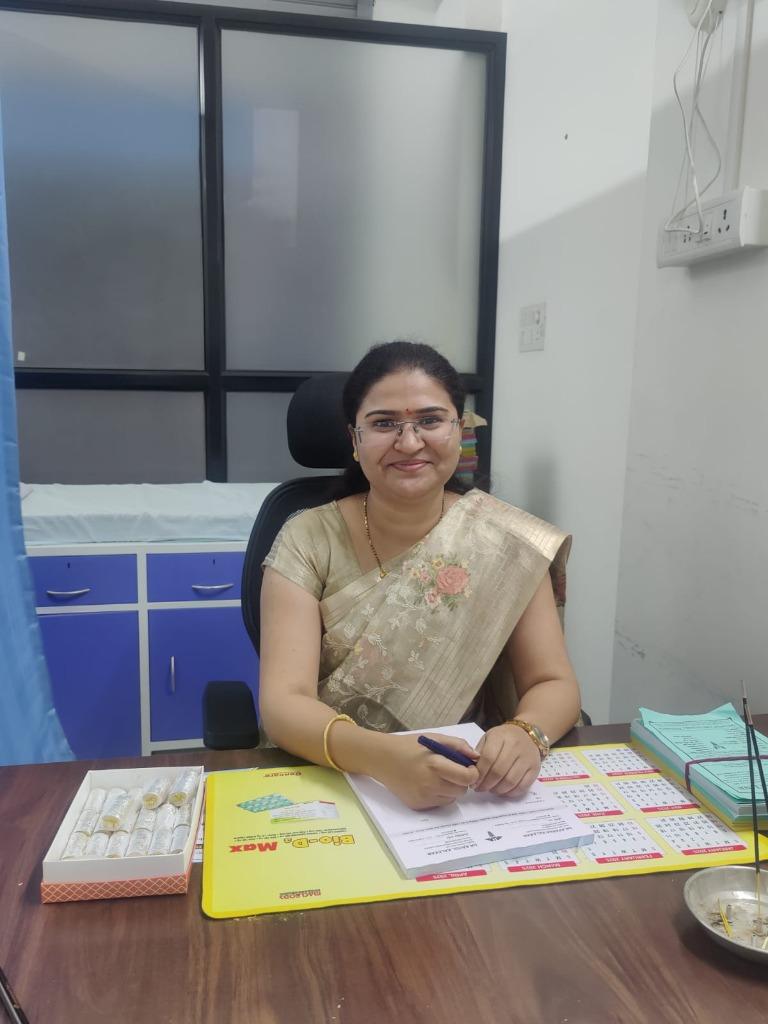
Dr. Aparna Kalekar creates individualised treatment plans for each PCOS patient in Wakad, targeting the specific hormonal and metabolic imbalances present. Medical treatment options include:
- Hormonal contraceptives (combined pill) to regulate cycles and reduce androgens
- Anti-androgen medications to reduce hair growth and acne
- Metformin for insulin resistance management and cycle regularisation
- Ovulation induction medications (clomiphene, letrozole) for women trying to conceive
- Progesterone therapy to protect the uterus and regulate periods
Lifestyle Management for PCOS
Lifestyle changes are a cornerstone of PCOS management and can significantly reduce symptoms. Dr. Aparna Kalekar counsels PCOS patients on practical, sustainable changes including weight management through a low-glycaemic diet, regular moderate exercise to improve insulin sensitivity, stress reduction techniques, and sleep optimisation. Even a modest weight loss of 5–10% can dramatically improve cycle regularity and hormonal balance in women with PCOS in Wakad and Pune.